The What, Why, and How of Learning Walks
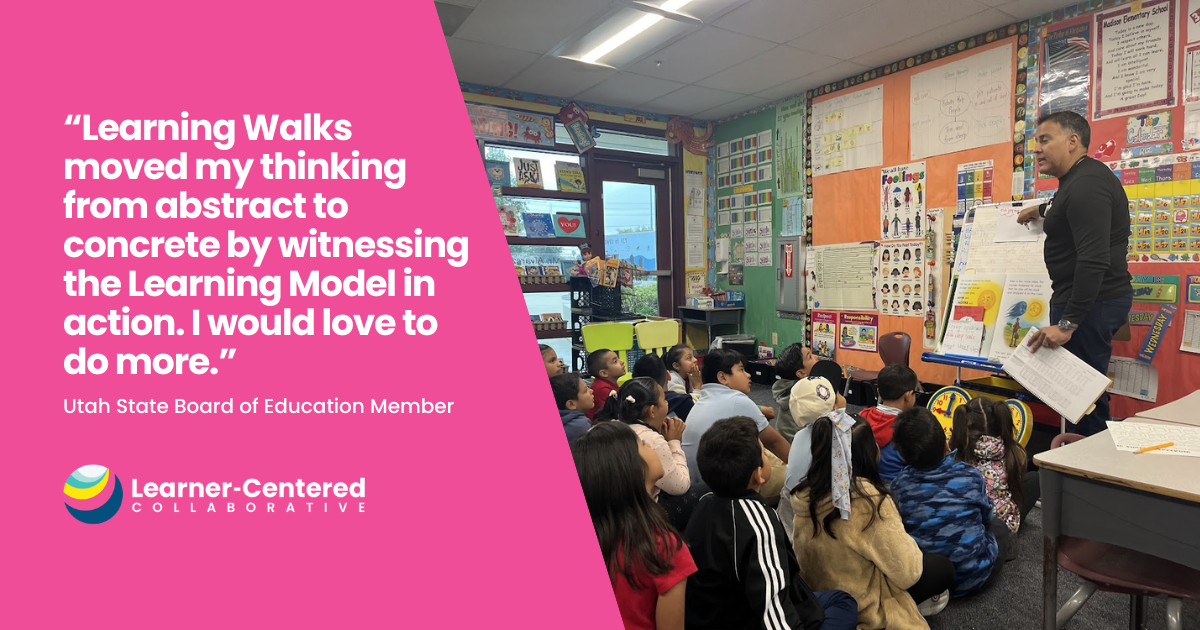
Learning Walks are a signature learner-centered practice, and one of our favorites at Learner-Centered Collaborative. They provide an opportunity to observe classroom learning without an evaluation or judgment mindset. Observing learning puts learners at the center, enabling schools to celebrate meaningful learning experiences and create the enabling conditions to support them.
What is a Learning Walk?
As the name implies, Learning Walks are a learning opportunity. Using a school or district’s Learning Model as an anchor, Learning Walks bring us beyond our own classrooms and schools to observe learner-centered practices and bright spots in classroom environments and identify trends to inform future support—all in a non-evaluative way.
They typically include:
- An orientation to align on process and purpose
- Classroom visits in small groups, and
- A whole-group debrief to share out celebrations and trends
Working on your Learning Model? Identify your team’s learner-centered priorities with this tool.
Why conduct Learning Walks?
Learning Walks offer an authentic glimpse into teaching and learning practices in a school or district. They quite literally open the door for us to:
- Spot best practices to celebrate with educators,
- Create shared understanding of learner-centered strategies in practice,
- Connect with learners to better understand their school experience,
- Discover opportunities for future professional learning, and
- Uncover conditions that are enabling or blocking a learner-centered approach.
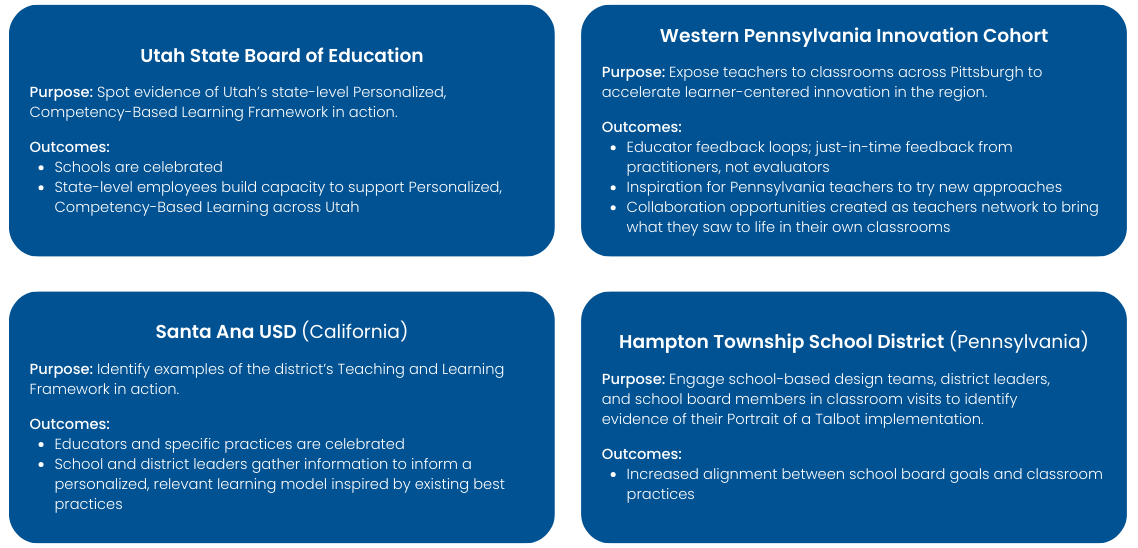
Get a glimpse into how some of our partner schools have leveraged Learning Walks and the outcomes they’ve achieved:
How to get started with Learning Walks?
At Learner-Centered Collaborative, we facilitate Learning Walks with schools to bring an outside perspective and empower team members to focus on what matters most to them—observing, learning, and collaborating in their learning community. When our team leads Learning Walks with partners, we have the added goal of building internal capacity in teams, so they can conduct Learning Walks independently in the future.
Plan your own Learning Walk with this guide.
First, we define what you’re hoping to gain from the Learning Walk. We recommend clarifying the elements of your Learning Model that you’d like to see.
Then, we consider which stakeholders you’d like to involve. Learning Walks can start small—at the school level—or span across an entire state or region. Within a school, they often occur with teachers and leaders. Cross-district Learning Walks typically take place at a few schools and state-level walks can span multiple days and districts.
Finally, we plan your Learning Walk experience. At Learner-Centered Collaborative, we’ve learned that a flexible agenda with a structured opening and closing is most effective. Here’s a sample:
1. Orientation: Align on process and purpose
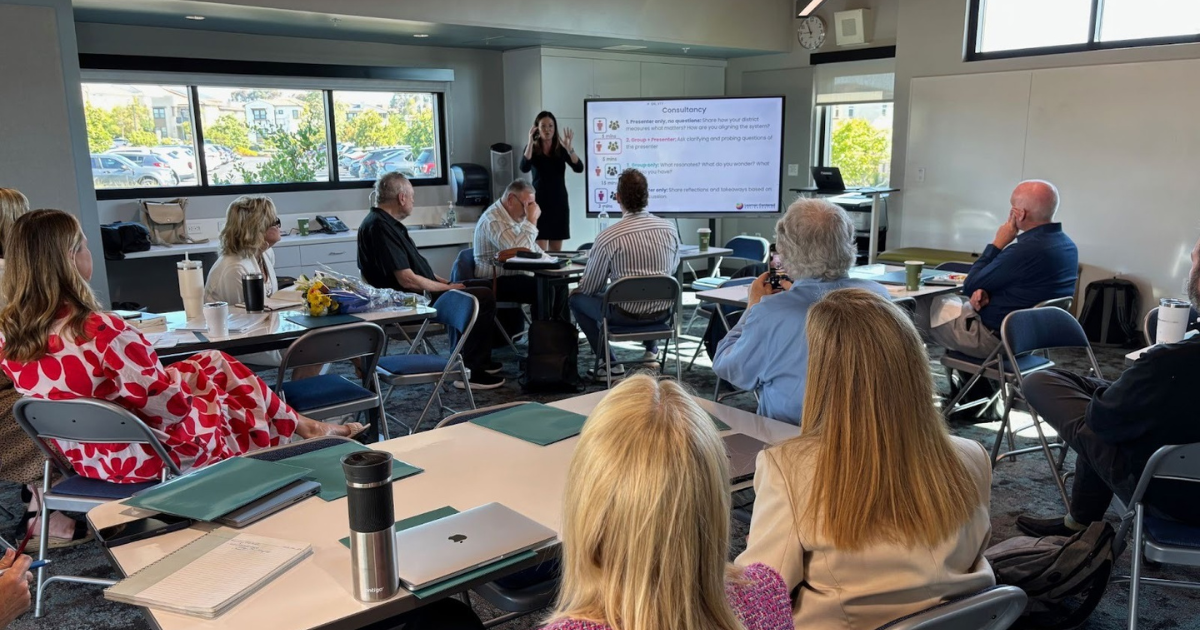
Team members align on process and purpose.
2. Small-group classroom visits: 5-10 minutes per classroom + 5-minute hallway debriefs to align on what was observed
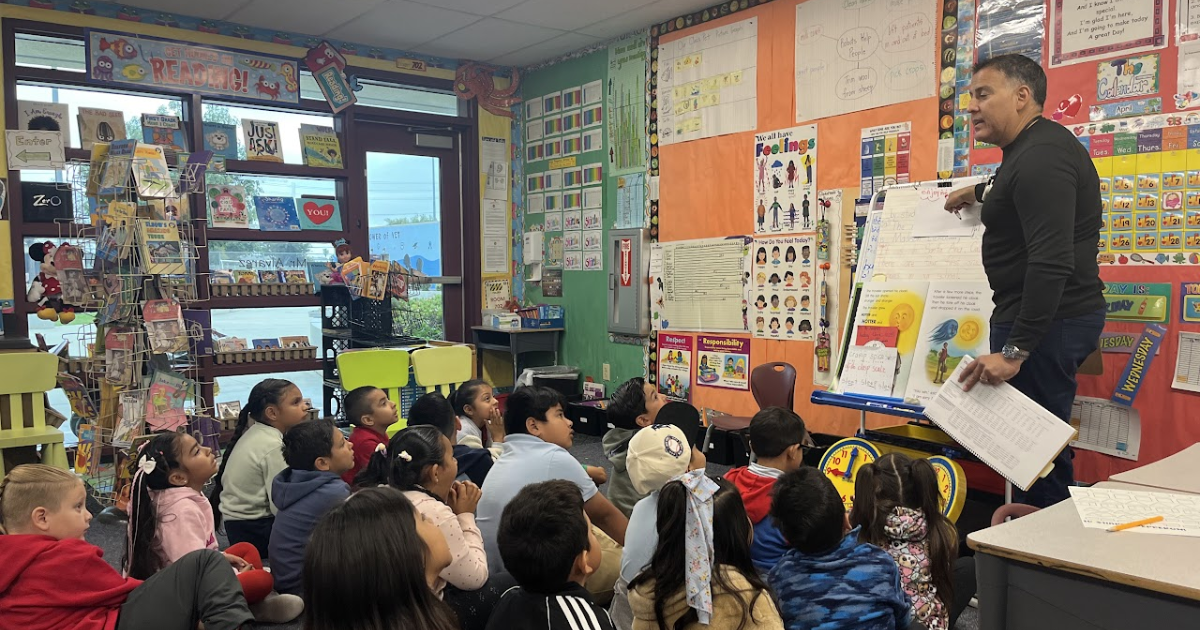
Groups of 4-6 visit classrooms to spot evidence of the school’s Learning Model.
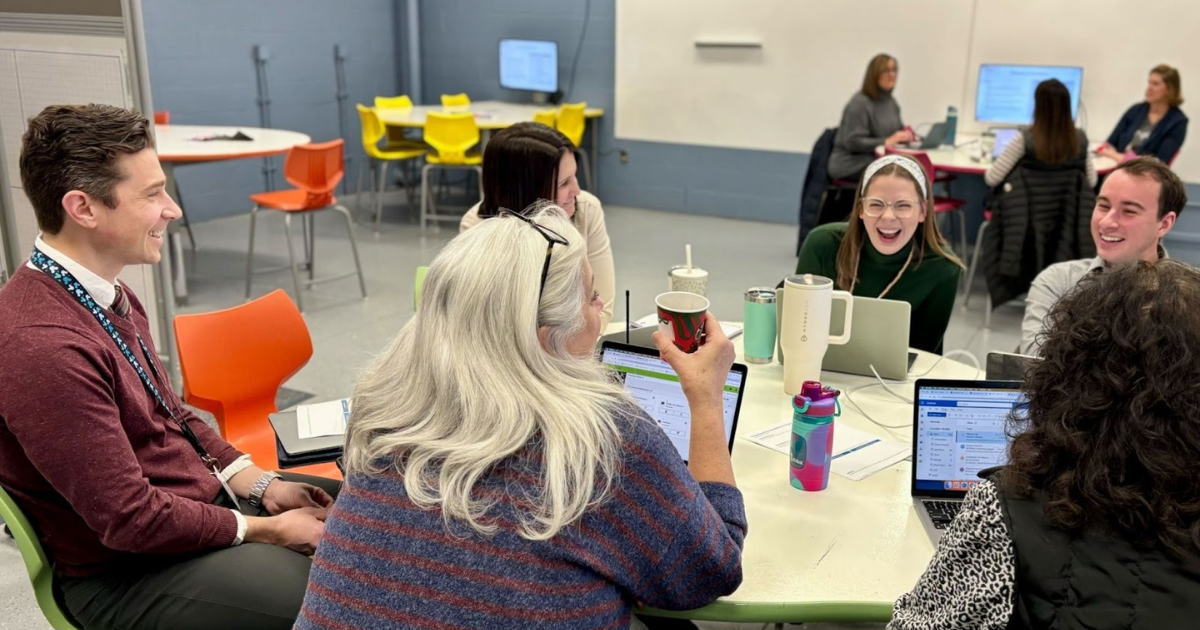
A small group debriefs their visit to a Hampton Township classroom. They align on a shared language and make meaning of what they observed.
3. Whole-group debrief: Share out celebrations and trends
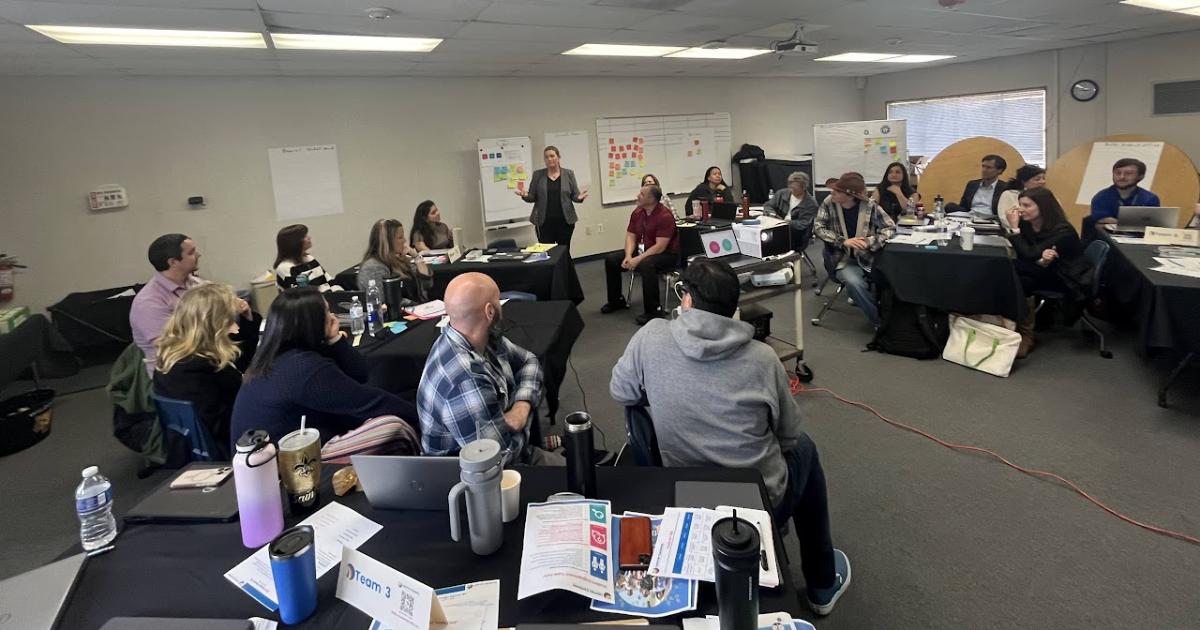
The Bonsall USD team reflects on their learning walks as a whole group.
As you map out a plan for Learning Walks, remember to resist the assessment and evaluation mindset that so many bring to classroom visits. Remind yourself that the purpose is learning and celebrating.
Interested in learning more about facilitating Learning Walks in your school or district? Reach out to us at collaborate@learnercentered.org