Student-Led Advisory Councils or Boards
Asking students their opinions about decisions that affect them in their school community is a great place to start listening to learners. However, taking it a step further puts students at the decision-making table. Inviting students to participate in school or district-wide decisions by being on the board, a part of a student government or on an ongoing advisory council gives them a direct way to influence decisions that affect them and their peers. A step even further asks learners to lead these organizations and facilitate meetings.
You can learn more about listening to learners and involving them in decision-making in our course, Amplify Learner Voice.
Bright Spots
Student Board Member

Source: https://www.aacps.org/smob
Anne Arundel County in Maryland has a student member of the board who has full voting power like their adult counterparts. Students are elected by the regional association of student councils and appointed by the governor.
Student-Led Board
The Board at One Stone, an independent high school in Boise, ID, is always made up of more than 2/3rds students. Students on the board tackle strategic planning initiatives, budgeting, securing accreditation and more.

Student Advisory Council
By loading this video, you agree to the privacy policy of Youtube.
Student advisory councils participate in student voice retreats at Washoe County School District.
Student-Led Government
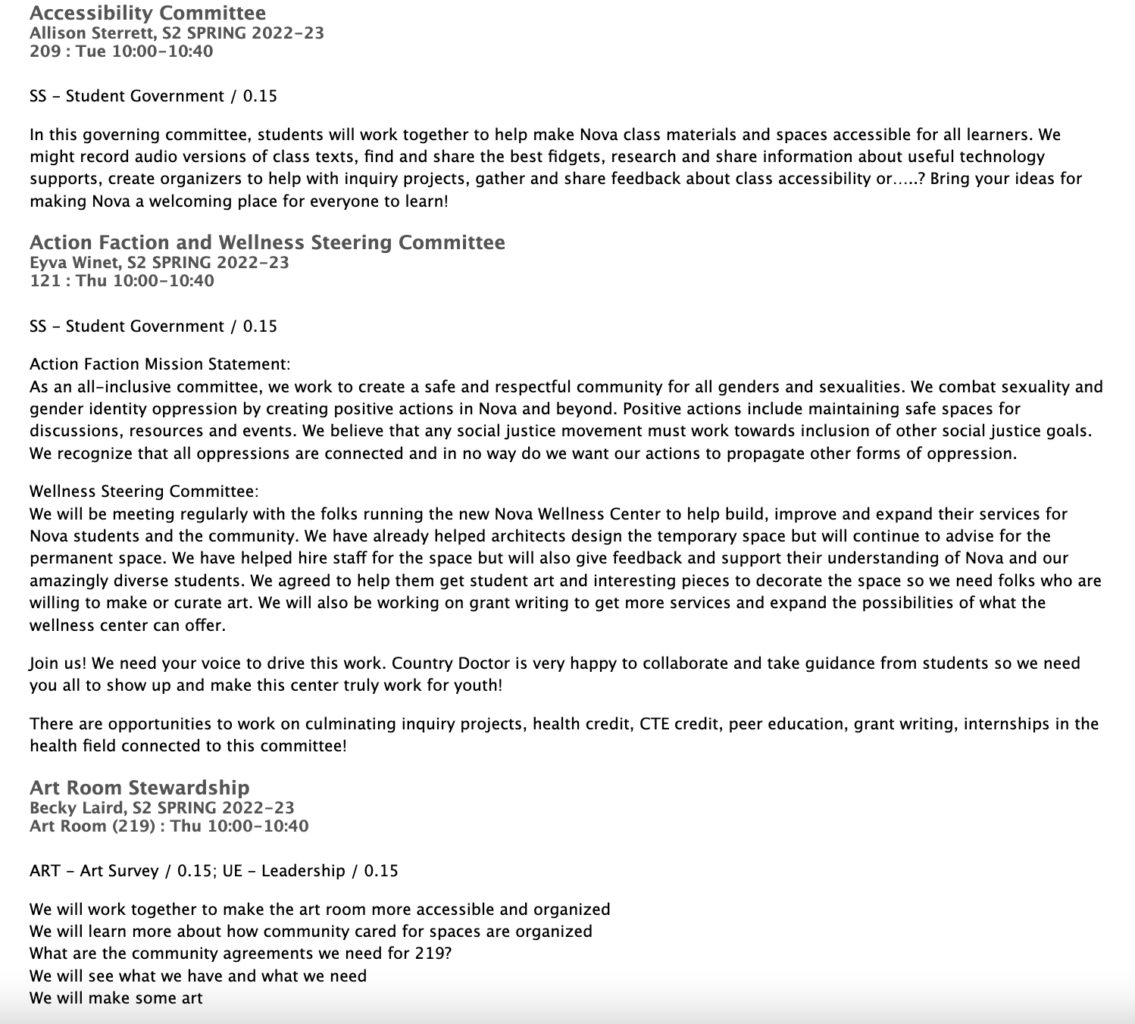
Nova High School is “democratically governed by committees made up of students, teachers, parents, guardians, alumni, principal, and staff. School matters are addressed by the entire community. All have a voice and a vote on issues including managing the budget, changing class schedules and activities, staff hiring, and changing the governing system itself. Students can also participate in or create Committees for credit and fun.”
Take Input From Students
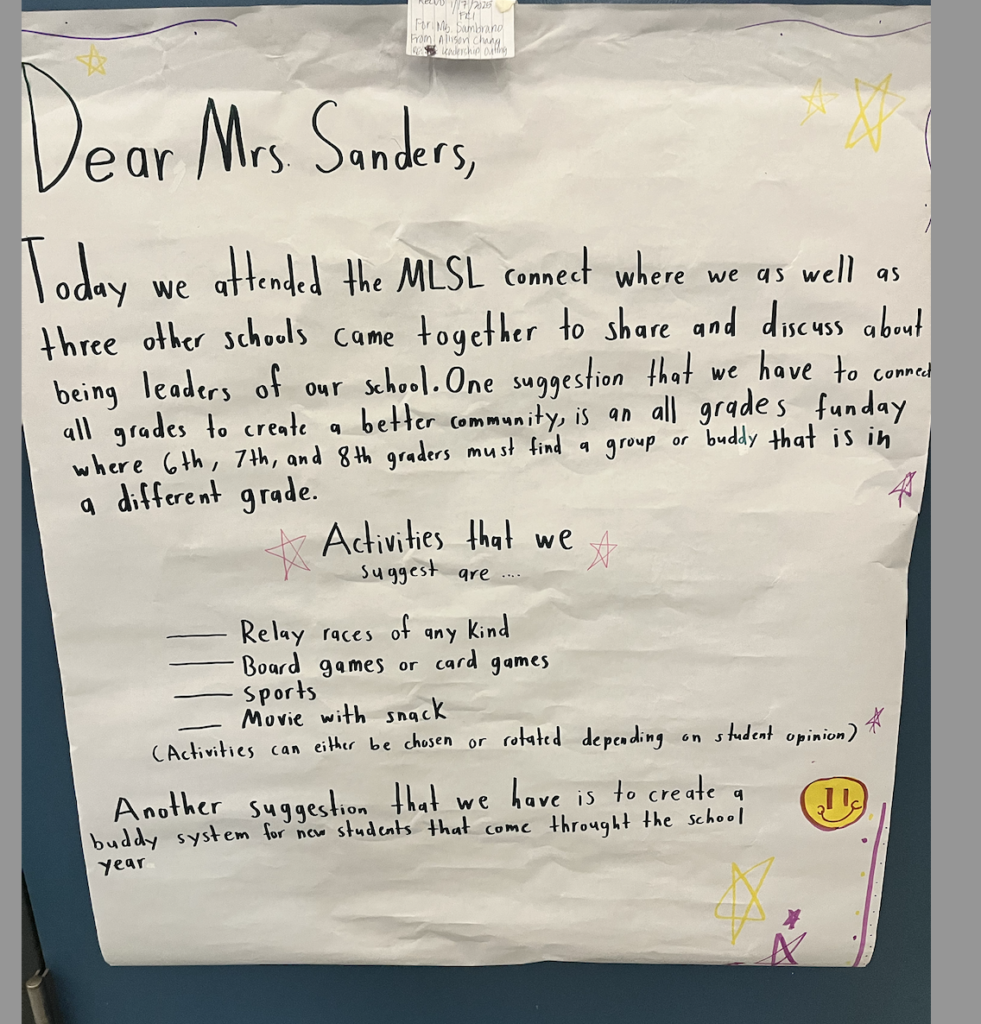
Students at Ewa Makai middle school met with students across the island of Oahu to discuss being leaders in their school and then wrote a letter to suggest additional school-wide activities and a buddy system for new students.
RESOURCES:
📖 Not your average student council
🧰 Take a Seat-a student-led initiative to create more student positions on school boards
Questions to Consider:
- At what level is your school or district prepared to involve students in decision making? You may start with advisory boards where they can provide input, later evolving to structures in which students can vote and have more influence on decisions.
- How will students be selected to participate in these opportunities? It’s important to consider an open invitation and a transparent process for selecting students. The point is that diverse student voices are heard so only selecting students who do the best in school may defeat that purpose.
- How will students be supported in their participation? How can adults support by stepping in but also by stepping out?