Transforming High School: A Collaborative Journey with Alexandria City Public Schools
In an era where education is evolving to meet the demands of a rapidly changing world, school districts like Alexandria City Public Schools (ACPS) are reimagining the high school experience. With a commitment to innovation and equity, ACPS embarked on a transformative journey to shape the future of education for their diverse student population.
At the heart of ACPS’s redesign is the vision to create a learner-centered high school experience that crosses four campuses. This ambitious endeavor encompasses not only physical construction but also novel approaches to educational programming, student pathways, and work-based learning opportunities. To bring this vision to life, ACPS leveraged the expertise of Learner-Centered Collaborative (LCC), Socol Moran, and Dr. Kaleb Rashad, marking the beginning of a collaborative partnership aimed at redefining the landscape of high school education. See how they approached the work, are setting the enabling conditions for success, and what they’ve designed for high school students in ACPS starting in Fall 2024.
Gathering Community Input to Cast a Vision
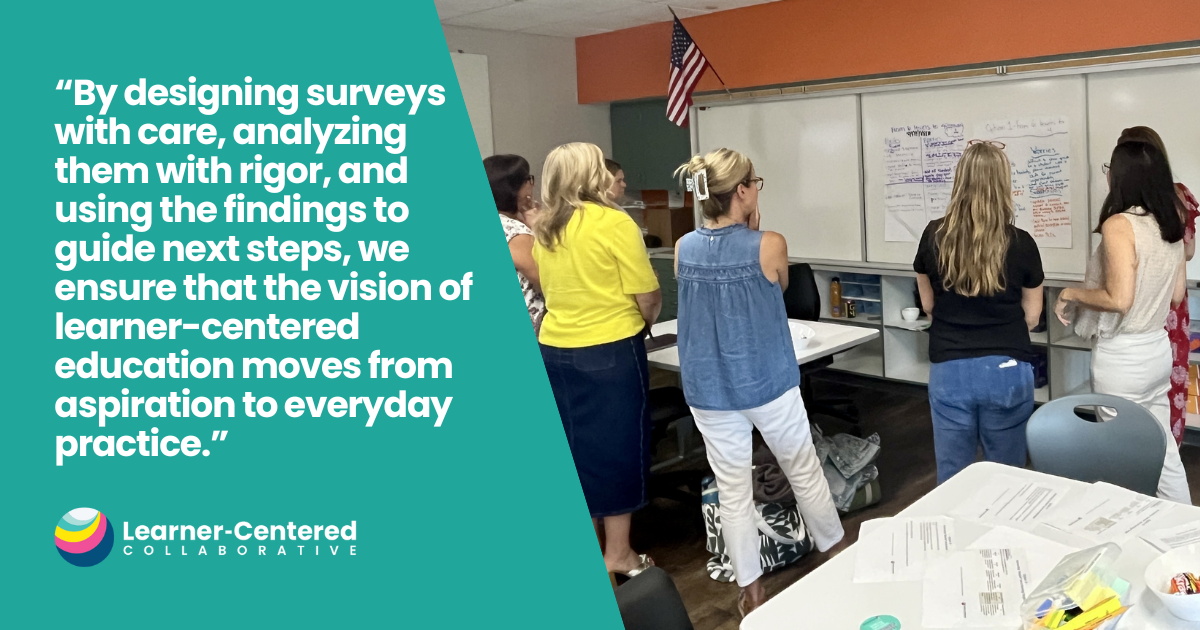
The first step in the partnership was the Discovery Visit, where LCC, Socol Moran, and Dr. Kaleb Rashad visited ACPS to engage in empathy interviews and focus groups with teachers, students, leaders, and families.
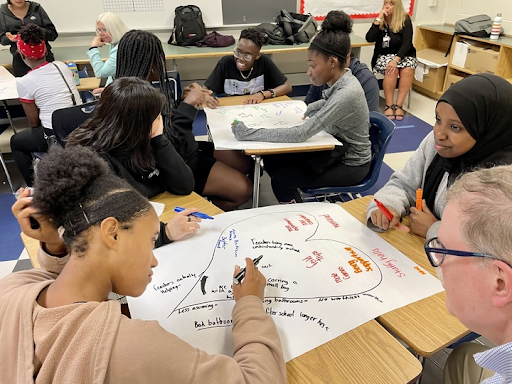
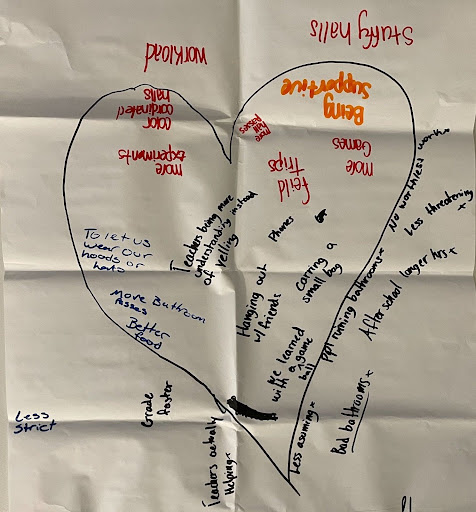
An intentional effort was made to elevate student voices; the team engaged with hundreds of students to learn what was working at school and where there were opportunities for improvement. These interactions provided invaluable insights and perspectives, ensuring that the redesign process was rooted in the diverse needs and aspirations of the entire school community. This high school redesign project had been in the works for years, so, the Discovery Visit also served to ensure that previous ideas, decisions, and plans were incorporated, thus fostering continuity and maximizing the effectiveness of the collaborative effort.
Central to this collaboration was the establishment of a clear vision—a north star guiding the district towards desired whole learner outcomes and an innovative learning model. ACPS, LCC, and partners developed a comprehensive ACHS Framework for the Future to inform high school design decisions and align them with the district’s top priorities and goals.
This is for you if you’re wondering What Is a Framework for the Future and Why Do You Need One?
Aligning the Design and Decision-Making Process
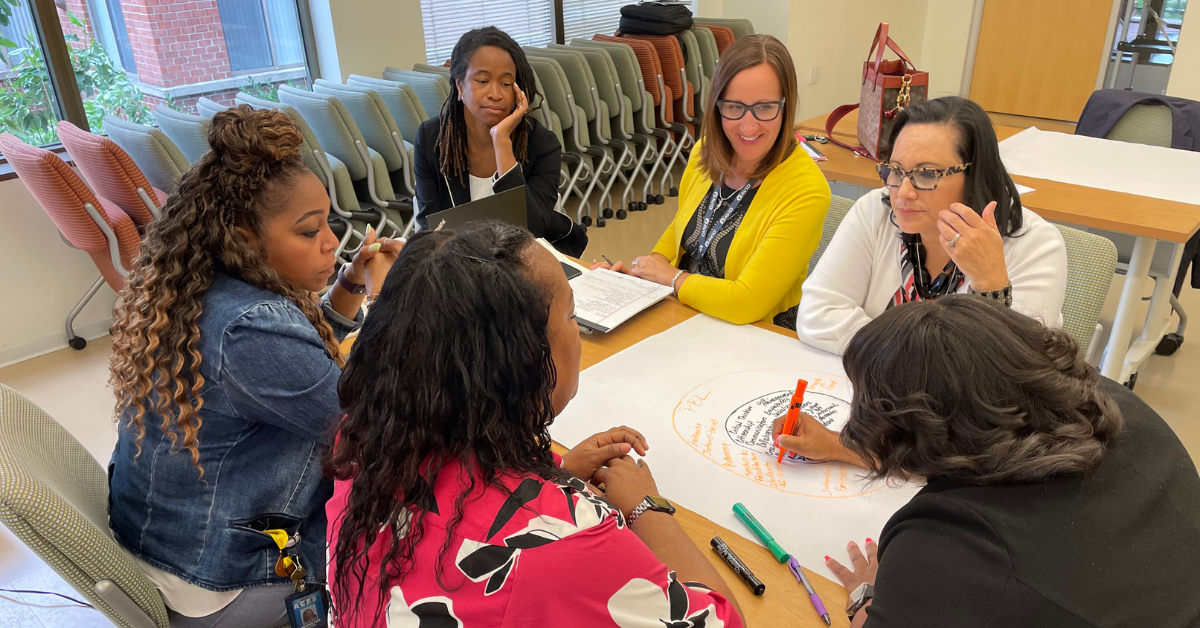
With a clear sense of direction and purpose as defined in the Framework, LCC and its partners embarked on the task of co-creating the structures and conditions necessary to support the design process. This entailed designing and implementing a district decision-making model that prioritized input from stakeholders while clarifying the parameters for final decision-making.
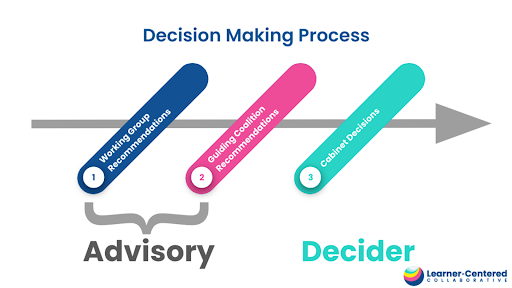
Working groups were created, ranging from Educational Programming to Operations, which created recommendations for key decisions in the high school redesign. The working groups brought those recommendations to a cross-functional Guiding Coalition for feedback. The ACPS Cabinet took into consideration the Guiding Coalition input and made decisions. By fostering transparency and accountability, ACPS and its collaborators ensured that the redesign process remained collaborative and responsive to the needs of the community. This participatory approach not only fostered a sense of ownership but also empowered stakeholders to shape the future of education in Alexandria.
Co-Designing the Model
Central to the redesign effort was the establishment of an educational programming working group, led by Socol Moran, tasked with defining the Academies model and Programs of Study for the high school. Through a series of collaborative workshops and consultations, the working group developed a robust framework that emphasized interdisciplinary learning, real-world relevance, and student agency. This innovative approach to curriculum design laid the foundation for a dynamic and engaging learning environment that prepares students for success in an increasingly complex world.

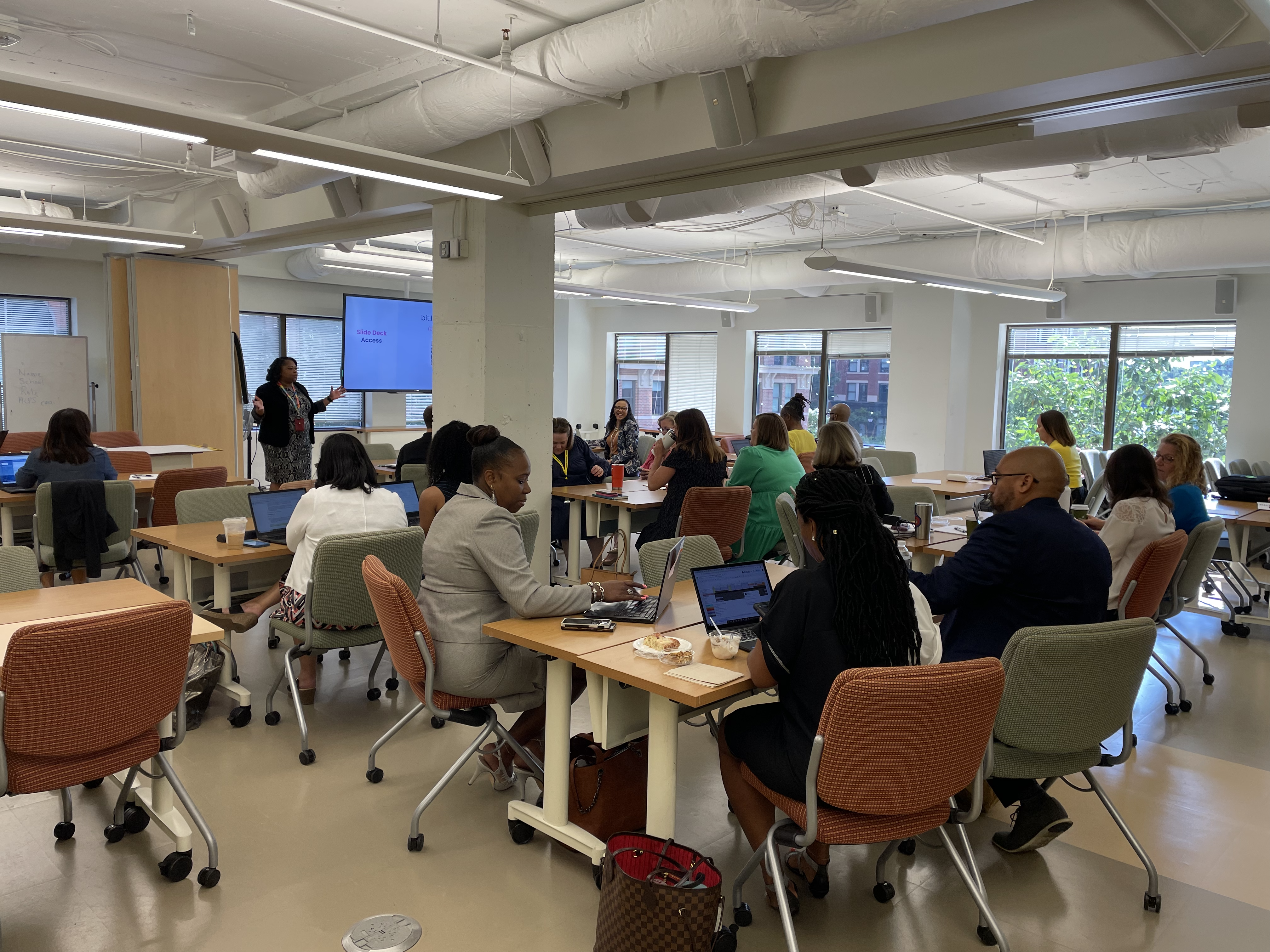
Thinking about new school design? You’ll want to consider Rethinking College and Career Readiness in a Hybrid World
Building Capacity Through Coaching
LCC and its partners also provided ongoing support and coaching to key leaders within ACPS, ensuring alignment and momentum across all levels of the organization. From developing a comprehensive communications strategy to implementing sustainable project management practices, ACPS and its collaborators laid the groundwork for long-term success and scalability.
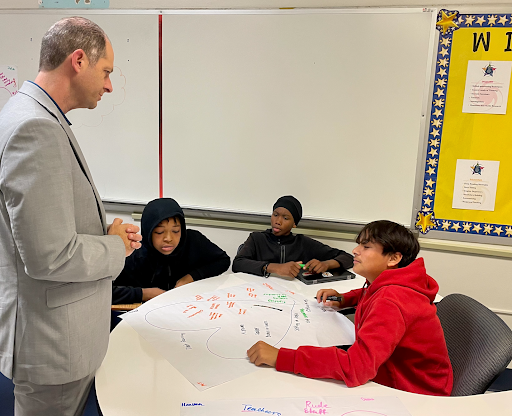
Explore more: Unlocking Leadership Potential Through Coaching
As the high school redesign enters its final stages, the impact of this collaborative effort is already evident. From innovative learning spaces to dynamic curriculum offerings, ACPS is poised to redefine the high school experience for generations to come. By embracing a learner-centered approach and fostering a culture of collaboration and innovation, ACPS has laid the groundwork to set a new standard for educational excellence. As we look ahead to the completion of this ambitious undertaking, one thing remains clear: the possibilities are limitless when we dare to reimagine what is possible in education.
See how New York’s Mineola School District designed a Learner-Centered High School by Listening to Learners