What an 8th-Grade Defense Taught Me About Competency-Based Learning
Written by Maysa Dadmun
Have you ever watched a student light up when they get to learn about something they truly love? That spark is what shaped my entire 8th-grade defense project, and now, as a freshman in high school, it’s shaping the way I approach learning every day.
I attended Sussex School, a K–8 school in Missoula, Montana. It’s a progressive, student-led environment where learning is hands-on, interest-driven, and often personalized
Our 8th-grade defense projects encouraged us to dig deeply into something we cared about. We had about 10 weeks to learn about something meaningful, interesting, or new to us. The project required:
- Community outreach
- Self-directed research
- Meeting goals and deadlines
- Presenting our learning to students, teachers, and families
What I didn’t know was how much this project would prepare me for high school, and how competency-based, student-directed learning could change my entire perspective on school.
At first, I wondered: What skills from this project will I actually use later in life? Now that I’m in high school, I can confidently say: a lot of them. The defense prepared me for the way I now manage assignments, collaborate with classmates, and show what I’ve learned.
Learning Through Choice Leads to Higher Quality Work

Black and White photo taken in Canyonlands National Park
My love for photography has been with me since I carried around a bright pink toy camera as a little kid. Growing up surrounded by the outdoors in Montana meant there was always something beautiful to capture with nature and animals. So, when it came time to choose a topic for my 8th-grade defense, I already knew that photography was where I wanted to focus my time. I got to have full control over how I learned about it and quickly realized that my best learning happens when I:
- Consult with people
- Gather information from reliable sources
- Learn by doing
Those preferences still guide me today in high school. When I’m given the freedom to choose how I approach an assignment, the quality of my work improves; not because it’s easier, but because I’m invested.
Competency-Based Skills I Carried Into High School
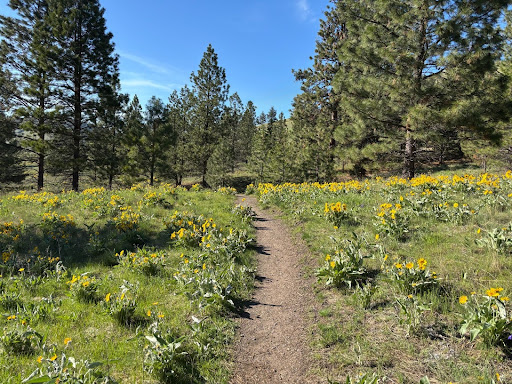
Balsamroot bloom on Jumbo
I gained many valuable insights from this project that helped prepare me for high school, including time management, project organization, and public speaking.
1. Time Management
First, I created a project timeline with the help of my defense advisor, who was my art teacher. Together, we checked in regularly, set milestones, and broke large tasks into manageable steps. Time management didn’t come naturally at first, but having tools and support helped me practice it.
Now, I use timelines in almost every class. Whether I’m preparing for an exam or managing long-term assignments, the habits I developed during my defense help me stay organized instead of overwhelmed.
2. Project Organization
My project had many moving parts. I created a photography lesson for my classmates, and then they taught kindergartners about framing and composition. Planning the outreach, creating materials, and anticipating what younger students might need required real project management skills.
In high school, I use the same thinking: break the project into steps, plan ahead, and check my work along the way. It’s a strategy that helps me succeed across subjects.
3. Public Speaking
For the final part of the defense, each student delivered a speech about what they had learned and how they had grown throughout the project. This gave me the opportunity to improve my public speaking skills. Through extensive practice, I developed the ability to communicate clearly and professionally in front of a group of people. Though it was scary speaking in front of everyone, I was able to do it and felt strong with my speaking.
Now, as a freshman, I give at least two presentations a week. Thanks to the defense, I feel capable and confident, rather than anxious. The confidence I gained has made a huge difference.
Read More: From the Classroom to the Cosmos: Passion Projects as a Tool for Real-World Learning
Why Student-Driven Projects Matter

A book view into a library
Projects that allow students to choose their topic and shape their learning experience do more than make school fun; they build real, transferable skills.
Now, even when I don’t have an assignment that is student-led, I have the tools that can help me shape it so I can still get the most out of my learning. My defense helped me understand:
- How I learn best
- How to manage my own progress
- How to communicate what I know to others
- How to take ownership of a long-term project
For educators, this kind of competency-based project can open doors for students. It helps them discover their passions, build independence, and acquire skills that truly prepare them for high school and beyond.
I didn’t expect a photography project to influence the way I approach my daily schoolwork as a freshman, but it did. I believe more students should have the opportunity to experience this kind of meaningful, choice-driven learning.
To learn how to shift your assessment practices to focus on growth, clarity, and meaningful evidence of learning, and successfully implement projects like Maysa’s into your curriculum, consider: