Episode 46: Future-Ready Learning in the Age of AI (with Babak Mostaghimi)
By loading this video, you agree to the privacy policy of Youtube.
Episode Summary:
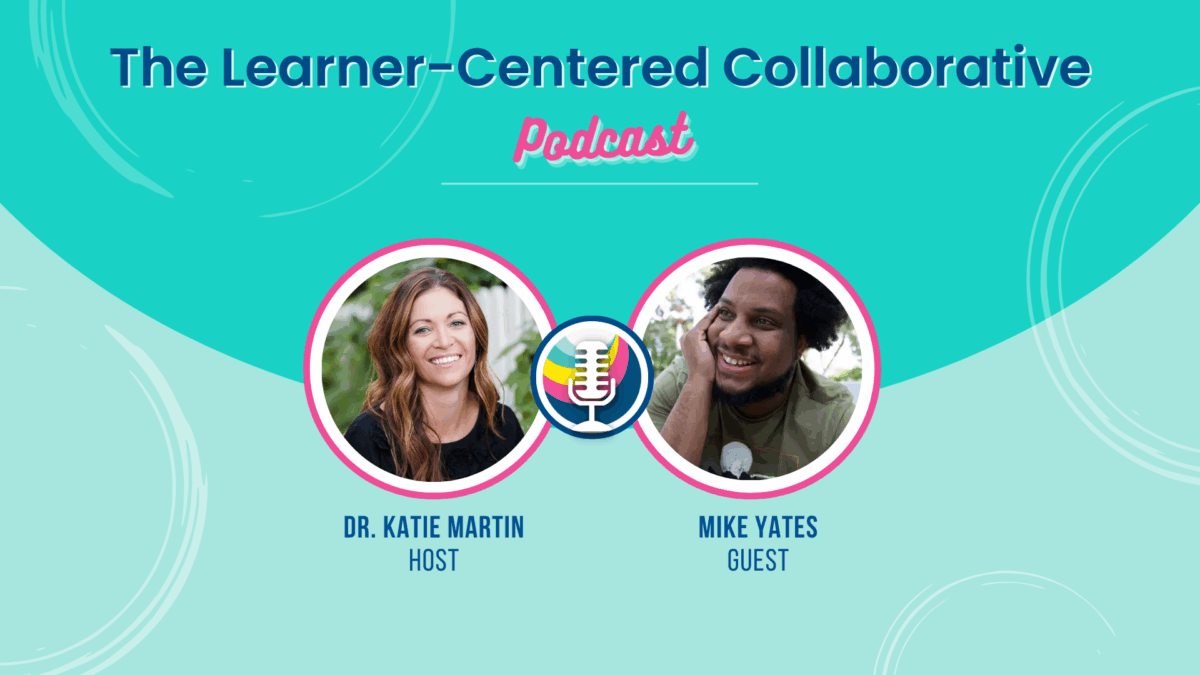
Dr. Babak Mostaghimi, founding partner at Learner Studio and former Assistant Superintendent in Gwinnett County Public Schools, joins Katie Martin to share his journey as an educator, community organizer, and systems leader working to prepare children for a rapidly changing future.
Babak reflects on his upbringing as the son of Iranian refugees, his transformative experience as a Teach for America teacher in rural Mississippi, and how those moments led him to think bigger about educational systems. His philosophy of leadership is shaped by seeing himself as a “gardener”—planting seeds, nurturing growth, and recognizing when to let go of practices that no longer serve learners.
He recounts his work in Gwinnett County, where he led initiatives around early learning, AI readiness, and future-focused education. Years before generative AI became mainstream, Babak and his team designed strategies to prepare students with content knowledge and with deeply human skills—creativity, collaboration, and problem-solving—that would help them thrive no matter how technology evolved.
Now at Learner Studio, Babak is focused on building new models of learning that integrate foundational knowledge with human skills in highly engaging environments. He calls for balanced approaches to AI in schools, resisting both extremes of the adoption spectrum (i.e., ignoring it or centering everything on the tools), and instead seeking ways it can help strengthen human capabilities.
Key topics explored include:
- 🌱 Using a gardener’s mindset for sustainable change—planting seeds, cultivating growth, and creating the right conditions for innovation
- 🏫 Shifting the “core business” of education from teaching and learning to preparing children for life, career, and democracy in the age of AI
- 🤝 Centering community voice and empathy in designing school change rather than imposing top-down solutions
- ⚖️ Balancing content knowledge with critical human skills like creativity, collaboration, and discernment
- 🤖 Misconceptions about AI in education and the need for “pro-human AI” that strengthens rather than replaces human capabilities
- 🎯 A vision for learner-centered systems that measure progress beyond grades and expand learning beyond the classroom walls
Related Resources:
- Blog: AI as my Teaching Assistant: Tools, Strategies, and Lessons Learned
“I’ve grown to embrace the use of AI in my classroom to support personalized learning and immediate, formative feedback for my students. I strongly believe that learning should be individualized and meaningful for learners, and when used purposefully, AI can help meet that goal.” ~Shannon Roos - Webinar: How to Leverage AI in Your Learner-Centered Classroom
With perspectives as both a principal and district leader and a teacher/coach, two education leaders illustrate how AI can serve as a thought partner for educators and students while staying grounded in whole-learner outcomes. - System-Wide Big Moves: Creating System-Wide AI Principles
In order to meet learners where they are and to best prepare them for a future that is already integrating AI into the workforce, it is important to establish thoughtful guidelines to ensure that AI tools enhance rather than detract from learning experiences.