Portrait of a Learner in Practice: Why Every School Needs an Exhibition of Learning
As I sat in the parking lot of Hampton Township’s High School just outside of Pittsburgh, Pennsylvania, reflecting on my experience attending their Exhibition of Learning, I tearfully thought, “Oh, I hope this is the future of education!” On paper, the event sounds impressive enough: a voluntary evening showcase for students from 3rd through 12th grade to present projects, artifacts, and experiences demonstrating growth in the district’s Portrait of a Talbot competencies.
But what I experienced felt like much more than a school showcase. It felt like a glimpse into what learning could become when schools intentionally center whole-learner outcomes, authentic audiences, and student ownership.
Learn more about Exhibitions of Learning on our dedicated microsite, which includes recorded student presentations.
The Scene: Energy in the Halls
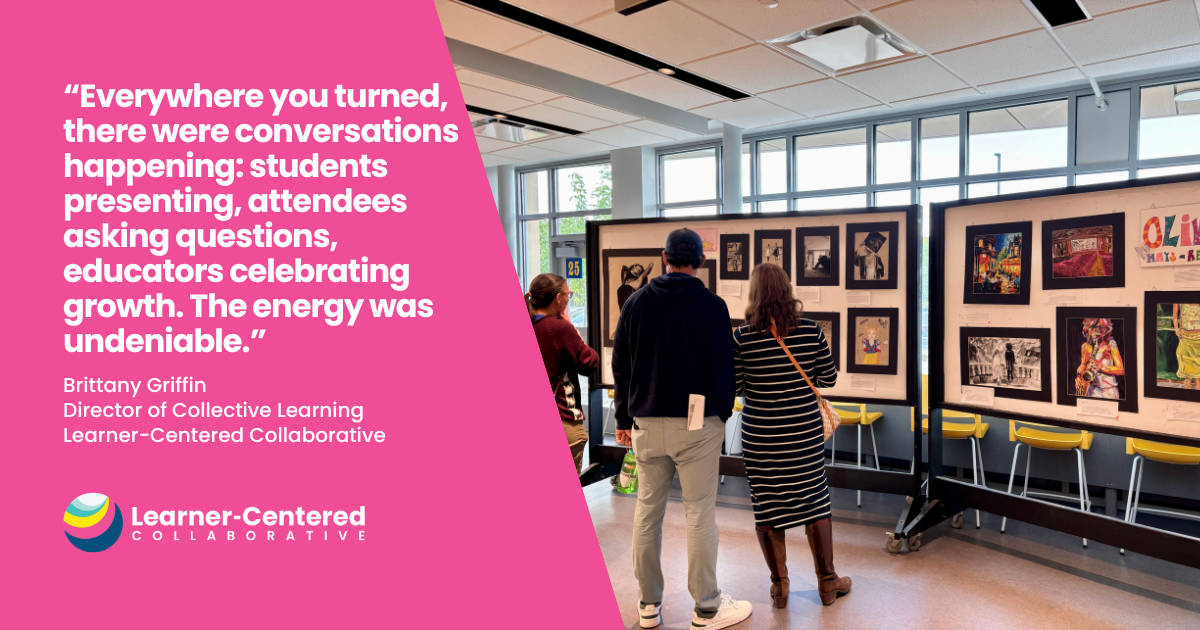
More than 100 students volunteered to participate. The district opened classrooms and welcomed families and community members. The event spilled across two hallways, the media center, and multiple learning spaces. Everywhere you turned, there were conversations happening: students presenting, attendees asking questions, educators celebrating growth. The energy was undeniable.
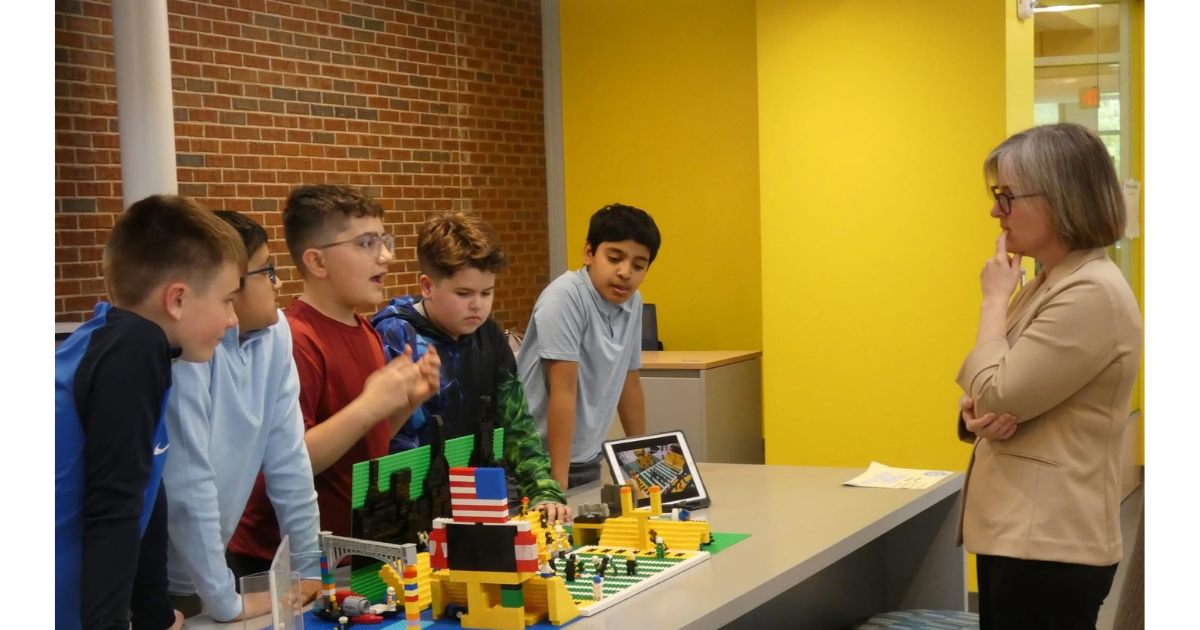
But what elevated the experience for me was the intentional design behind it. Rather than organizing projects by grade level or subject area, the exhibition was structured around the Portrait of a Talbot competencies themselves. One hallway highlighted Learner’s Mindset. Another celebrated Communication. Each competency zone included visual displays and interactive opportunities that helped visitors not only observe the competencies, but experience them – and that’s where one of my favorite details emerged.
Engaging an Authentic Audience
When younger children arrived, they received a worksheet featuring a backpack with empty spaces for competency stickers. As they explored the exhibition, they could participate in small activities connected to each competency area. After demonstrating the competency themselves, they earned a sticker badge to add to their backpack.
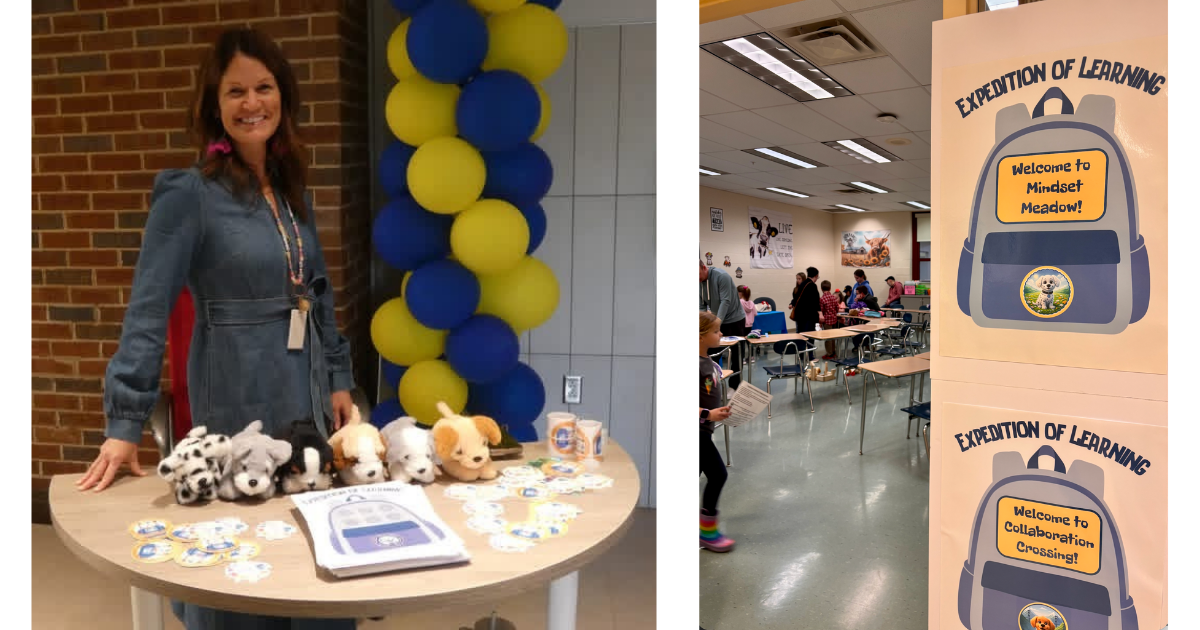
In the Perseverance zone, for example, students attempted a physical challenge course where they could retry the activity multiple times to improve their performance. The emphasis wasn’t on perfection. It was on persistence.
That small design choice transformed the event from a passive showcase into a shared learning experience. The community wasn’t simply observing student learning; they were building a deeper understanding of what these whole-learner outcomes actually look and feel like in practice.
And then there were the students themselves.
Beyond the Projects: Bring the “Portrait of a Talbot” to Life
I’m still thinking about Emma, a third grader from Ms. Leonard’s class, who proudly walked me through her portfolio. To be clear, this wasn’t some flashy digital platform or polished presentation software. It was a simple binder filled with sheet protectors and carefully curated artifacts from her year in third grade. And yet, it was powerful.
Emma confidently flipped through pages, explaining how different assignments connected to the Portrait competencies. At one point, she showed me an artifact from a collaborative challenge involving the floor plan of a castle. Based only on verbal descriptions from her teammates, she had to sketch and map the layout correctly.
What struck me wasn’t just the activity itself. It was the way Emma reflected on it. She explained how challenging it was to truly listen to her classmates, make sure she understood correctly, and communicate before moving forward. A third grader articulating collaboration and communication with that level of clarity and self-awareness is no small thing. It reminded me that learner-centered education doesn’t always require radical innovation or expensive tools. Sometimes it looks like creating intentional opportunities for students to reflect on their growth and giving them the language and confidence to talk about it.
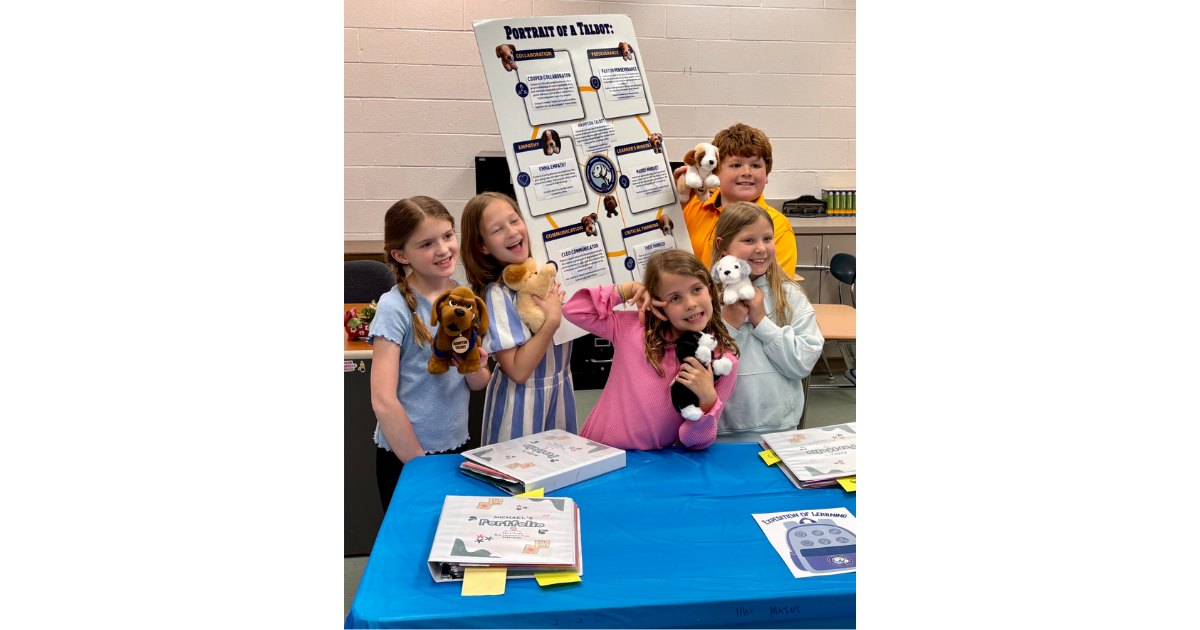
Then I met Albert, a seventh grader whose curiosity had led him deep into the world of recycling systems and artificial intelligence. Albert designed and built a prototype that uses AI to identify and sort different types of waste. Users place an item onto a platform, the AI scans it, determines whether it belongs in recycling or trash, and then routes it into the appropriate bin.
It was remarkable, but the most memorable part wasn’t the invention itself. It was the moment the prototype failed during the demonstration. The scanner wasn’t identifying the object correctly, and the system stopped working in front of a room full of people.
Many adults would have panicked at that moment. Instead, Albert paused thoughtfully and said something along the lines of, “The lighting in here is different than where I’ve been testing it.” Then he smiled, shrugged, and continued explaining his process. No meltdown. No embarrassment. No shutting down. Just reflection, adaptation, and a willingness to keep iterating.
In that moment, Albert demonstrated Learner’s Mindset more authentically than any rubric or test score ever could. What stood out most to me was that Albert clearly had both the freedom and support to pursue something he genuinely cared about. School wasn’t interrupting his curiosity. It was making space for it.
The final student I spent time with was Allison, a senior completing an AP Research project focused on the environmental impact of artificial intelligence.
Earlier in the year, I had the opportunity to review and provide feedback on the survey questions she was developing for her research. Returning months later to see her present her final findings felt incredibly full-circle.
Allison spoke thoughtfully about students’ limited understanding of AI’s environmental costs and the educational gaps she believes schools still need to address. Her presentation blended research, data analysis, ethical questioning, and personal reflection.
But once again, what stood out was her ability to articulate her own growth. She confidently connected her research experience to the Portrait competencies, explaining how she had strengthened Communication, Critical Thinking, and Learner’s Mindset throughout the process.
Read More: Discovering AI Together: Lessons from a Learner-Centered Classroom
Ownership in Action
As I listened to students from third grade through senior year, one thought kept surfacing: These students are practicing how to talk about themselves as learners.
Not just what they know, but how they learn. How they collaborate. How they navigate challenges. How they persist. How they grow.
They know who they are.
And that matters.
Because eventually, these students will sit in college interviews, job interviews, internships, and collaborative workplaces where nobody will ask them to recite isolated facts from memory. They will be asked to describe how they solve problems, work with others, adapt to setbacks, and contribute meaningfully. At Hampton Township’s Exhibition of Learning, I saw students already building those muscles.
I also found myself reflecting on accountability. In traditional systems, accountability is often something done to students through grades, points, rankings, and compliance structures. But this exhibition offered a different model. Here, students were accountable for sharing and defending their learning with an authentic audience, and that changes everything.
Ron Berger’s research on authentic audiences reminds us that when students know their work will be seen, discussed, and valued by real people, engagement and motivation dramatically increase. We saw that come alive throughout the evening. Students weren’t presenting because they wanted a grade. They were presenting because the learning belonged to them.
Lessons for the Future of Learning
Walking out of Hampton Township that evening, my excitement was building: Is the future of education finally here? Students who can clearly articulate who they are as learners and engage meaningfully with their families and community in the process. This leads to true ownership and deeper motivation. Honestly, after witnessing it firsthand, I think it just might be.The future of education isn’t just about what students know—it’s about who they are becoming.
Explore our guide to Exhibitions of Learning to find the resources, frameworks, and inspiration you need to launch your own showcase of student growth.