

Blog
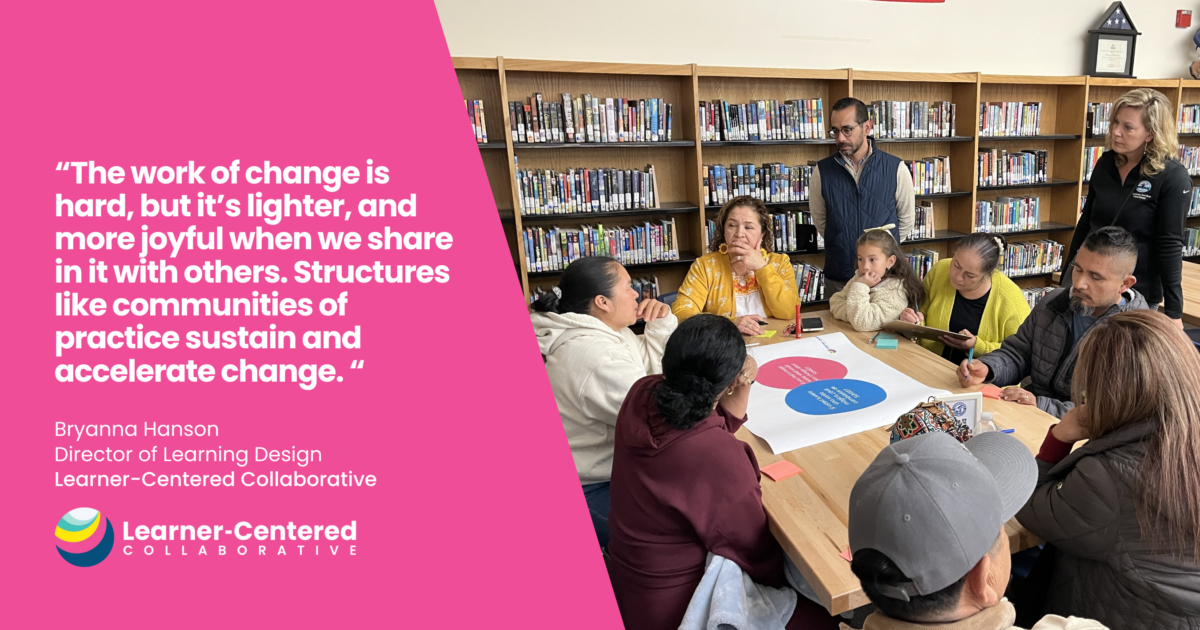
4 Lessons From a Competency-Based Community of Practice
No one has completely figured it out, but everyone has something to offer. This sentiment captures the spirit of this year’s Competency-Based Community of Practice. This virtual group is made up of 45 teachers and leaders from nine schools and districts across the country who are currently implementing competency-based assessment and reporting practices. They…
Blog
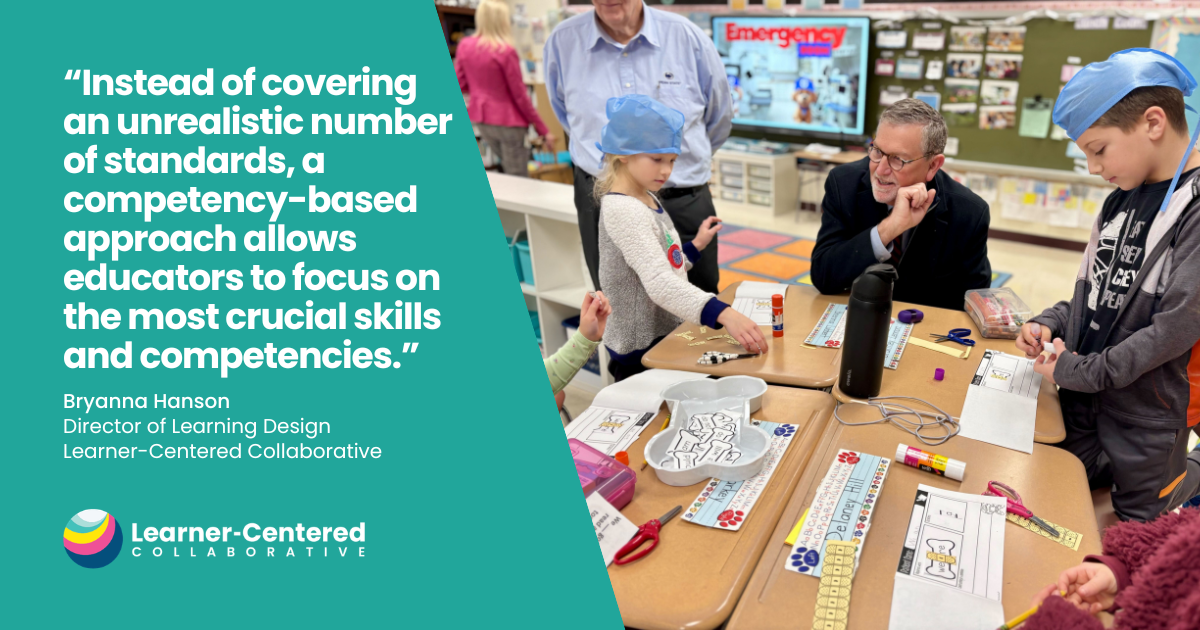
Not All Rubrics Are Created Equal: How Competency-Based Progressions Are The Way to Go
For decades, rubrics have been both championed and criticized. This blog explores two distinct types of rubrics: traditional product-based rubrics and the emerging competency-based rubrics. Traditional rubrics, as we typically conceptualize them, are product-based. They define success criteria for specific assignments, describing gradations of quality for meeting expectations. These rubrics are assignment-specific and outline…
Tools
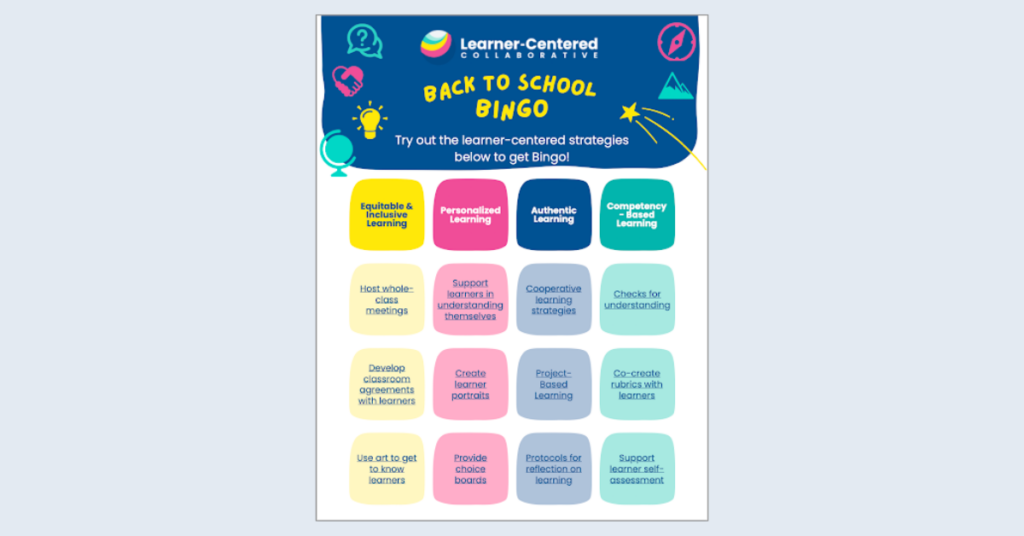
Learning Experiences BINGO card
Access actionable steps for creating personalized, competency-based, authentic, inclusive and equitable learning experiences
Blog
Reflect, Rest, and Rejuvenate This Summer
Image taken at Duquesne City School District The end of the school year is an exciting time filled with ceremonies, field trips, field days, exhibitions, plays, and performances celebrating the hard work of every educator and learner. However, it can also be a stressful and emotional period. Grades are due, everyone is tired from…
Blog
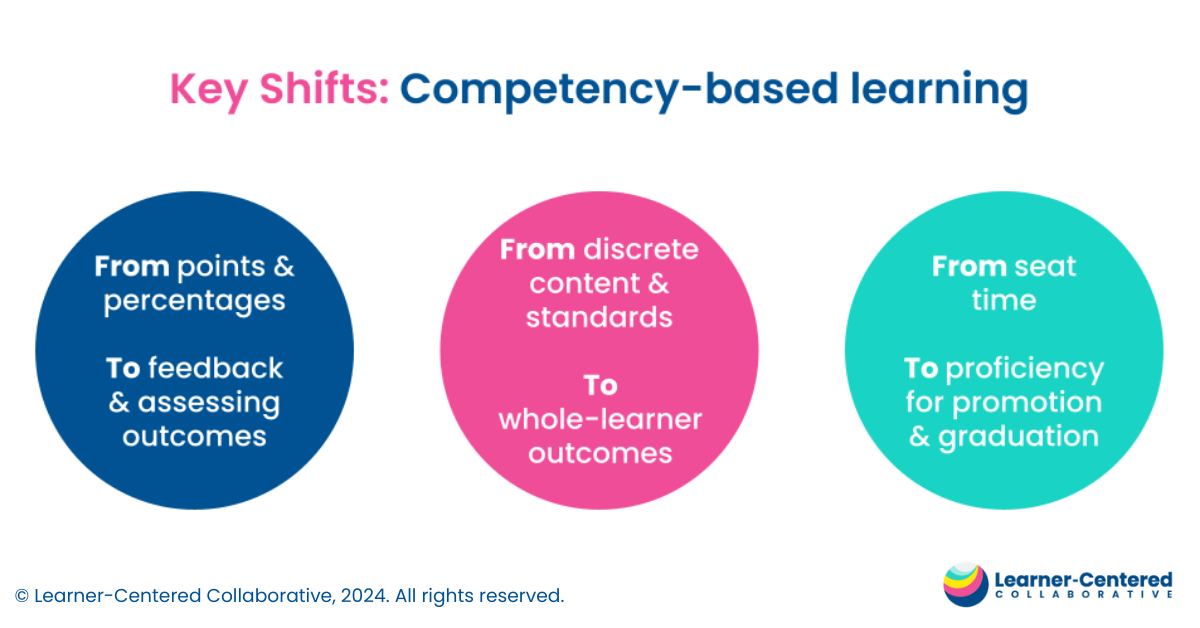
3 Key Shifts from Traditional Grading to Competency-Based Learning and Assessment
This is the second blog post in a series on Competency-Based Learning from Bryanna Hanson. Read the first post on what competency-based learning is and why it’s important here. As a teacher, I quickly became frustrated by the limitations of the traditional grading system, one based on points, percentages and averages. This sparked my…
Publications
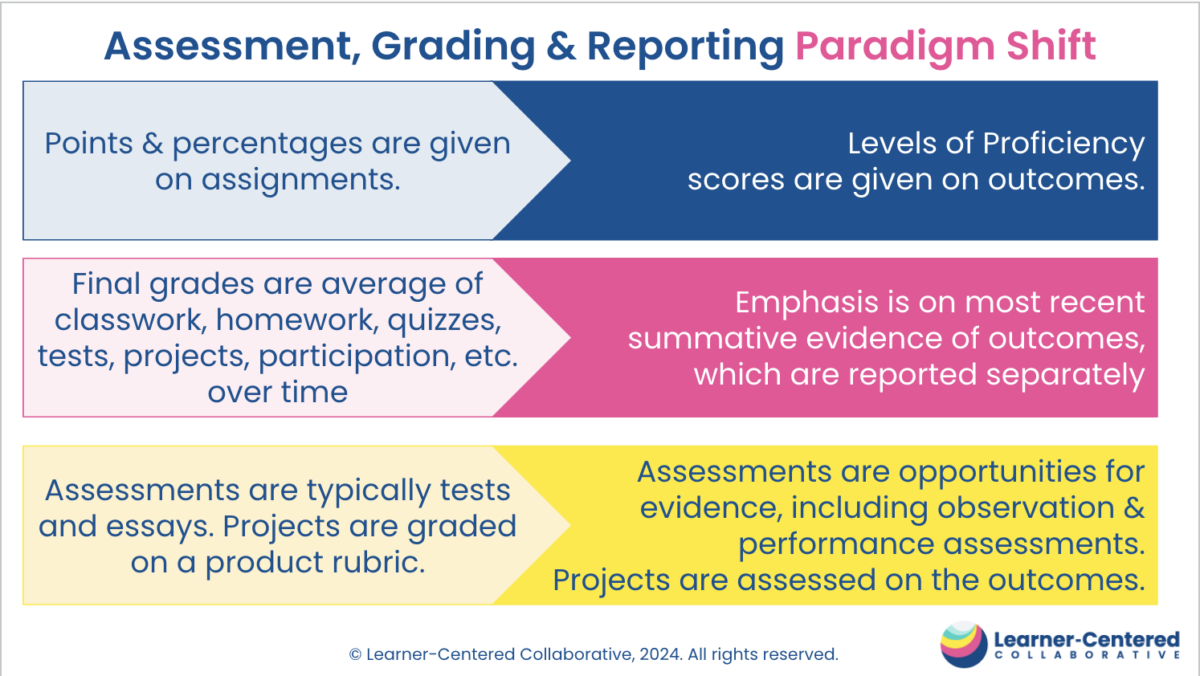
Competency-Based Reporting Playbook
Welcome to the Learner-Centered Collaborative’s Playbook on Competency-Based Assessment, Grading and Reporting. In many traditional grading systems, learners are ranked, sorted and seen as a number in a gradebook. But there’s a competency-based world in which learners can be valued for who they are and how they are growing as individuals. It’s time…

Blog
Competency-Based Learning: Shifting from Grading Points to Assessing Learning
Photo by Allison Shelley/The Verbatim Agency for EDUimages I started as a first year teacher, armed with a student teaching experience and a master’s degree, fairly confident that I was well prepared. If you are or have ever been a teacher, you are laughing right now because as you know, I figured out pretty…

Blog
Ready-Set-Goal! Then Reflect & Repeat
We often talk about goals at the beginning of the school year and the calendar year as these are really natural times to reflect about what’s gone well and what we might do differently. However, these “seasonal” goals often end up on a physical or digital shelf and forgotten by the time October or…

Blog
How You Can (Almost) Have It All With AI: Optimizing the Balance of AI and Human Interaction
Written in collaboration with Brittany Griffin, Director of Strategic Partnerships There’s ample buzz around AI’s potential in K-12 education. It ranges from excitement, to concerns around ethical dilemmas, to debates about the efficacy of learning in front of a screen, to fear that technology will replace educators. Some have called for an all-in adoption…

Blog
Reclaiming Joy at the End of the School Year
At VIDA middle school in Vista Unified School District, students in an English class give each other affirmations and gratitudes throughout the year. “Joy is the ultimate goal of teaching and learning, not test prep or graduation.” – Gholdy Muhammad, author, Unearthing Joy The end of the school year is in plain sight. Maybe…
Blog
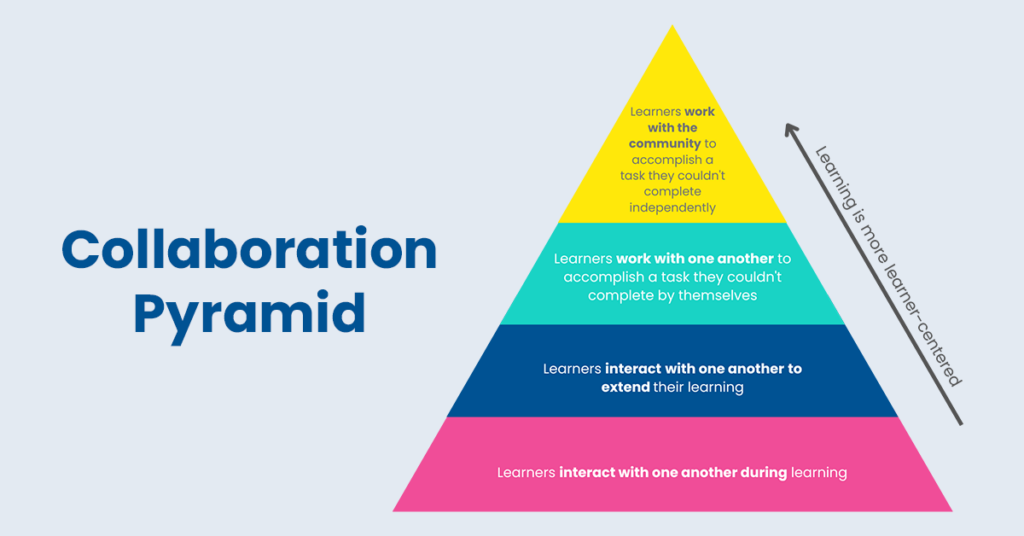
Scaling the Collaboration Pyramid
Students assemble a model wind turbine they constructed. Photo by Allison Shelley/The Verbatim Agency for EDUimages Collaboration is a top skill employers look for according to LinkedIn, Glassdoor and Indeed, all job search tools that see thousands of job postings everyday. It’s not surprising then that in a review of over 50 school, district,…

Blog
5 Ways to Foster Learner-Centered Innovation Through Professional Learning Cycles
Learning at any age requires clarity of objectives or goals, continued practice, feedback cycles, and plans for iteration and growth. This is why professional learning is best done through learning cycles instead of being a one-and-done event. These learning cycles promote a culture of sharing and innovation and oftentimes are best done in Communities…
Blog
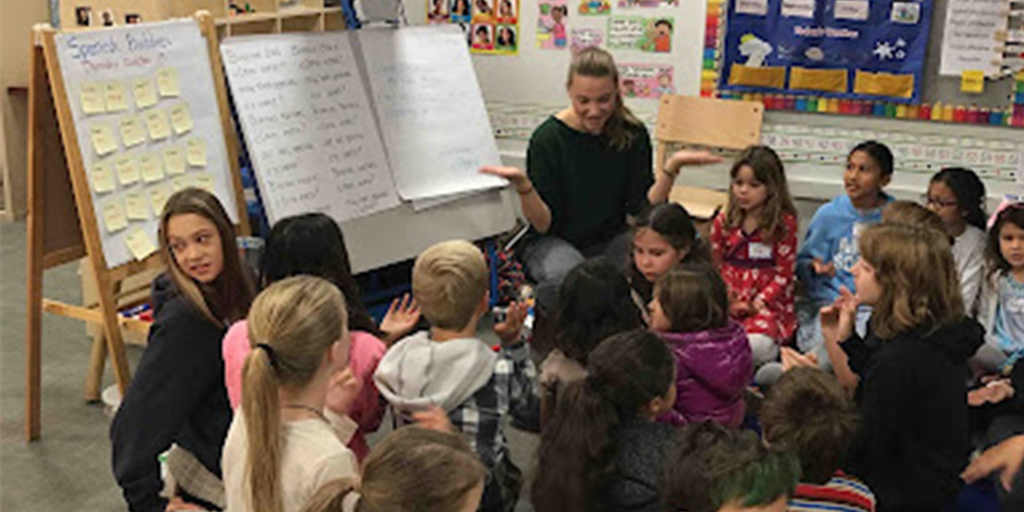
Uncovering the True Purpose of Assessment
In a learner-centered classroom, assessment is not done to but rather with the learner. Assessment becomes less about determining what a student doesn’t know or can’t do, but instead the emphasis shifts to providing opportunities for students to show what they do know and can do.