Reframe Discipline
School-Centered discipline systems often prioritize control and compliance over connection and development. In learner-centered environments, we see every behavior as an opportunity for deeper learning– about self, others and community. Discipline isn’t about punishment, it’s about repairing harm, restoring relationships and building the skills learners need to thrive both inside and outside of school. By shifting from punitive systems to philosophies such as Positive Discipline and Restorative Practices, we create conditions for every learner to feel seen, valued and empowered.
This reframing of discipline as learning requires a shift in mindset from focusing on managing behavior, to supporting learner development of emotional regulation, communication skills and empathy. Instead of relying on detentions, suspensions or exclusionary practices, schools create opportunities for students to engage in restorative conversations, community circles and collaborative problem-solving. Students are encouraged to reflect on their actions, take responsibility and repair harm in ways that strengthen their relationships and sense of belonging. When we lead with relationships, we make space for every learner to grow–not just academically, but as a whole person.
Bright Spots
Clear Agreements & Restorative Circles
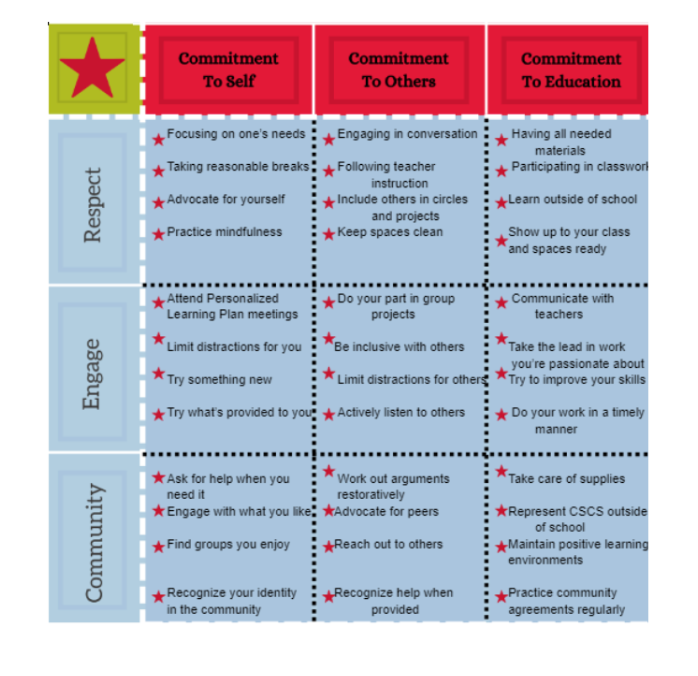
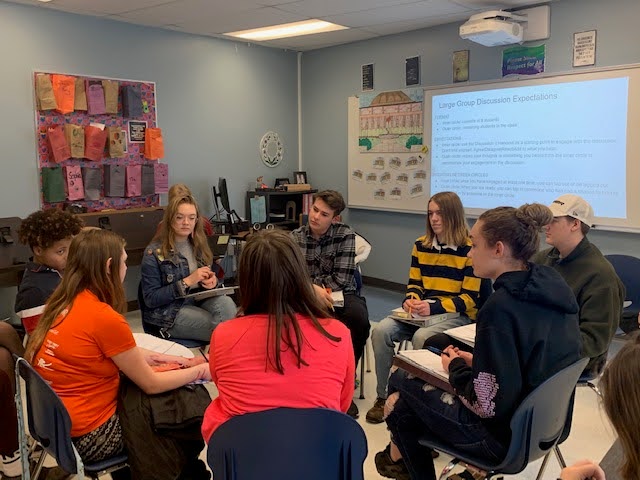
At Clark Street Community School, community building is integral to the school model. In 2023 students and staff worked together to update community agreements that guide the expectations of being a member of the school community. When there are concerns or conflict within the school community, the agreements are referenced as a framework for addressing the issue through restorative practices, social emotional learning and/or positive behavior interventions and supports. One strategy they use for conflict is Restorative Circles, a structured process used to engage in open, respectful dialogue around difficult topics to foster understanding, empathy and reparation of harm.
Using a Protocol to Support Teachers in Positive Discipline
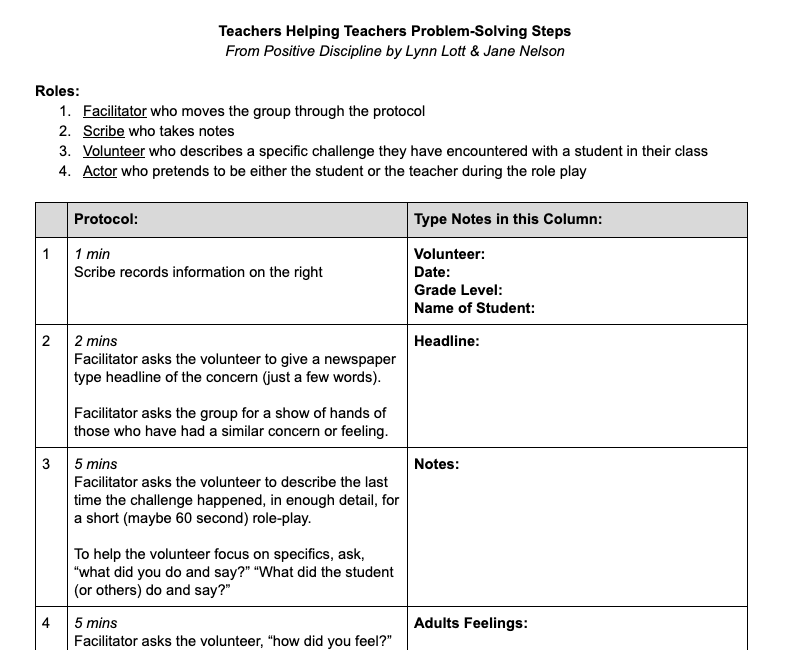
High Tech Elementary became a fully certified Positive Discipline school after engaging in a comprehensive professional learning journey. Over the course of four months, staff participated in bi-monthly, four hour training sessions held on minimum days, allowing for deep learning and reflection without disrupting instructional time. To ensure consistency and sustainability, all new staff members also receive Positive Discipline training before the start of each school year, reinforcing a shared commitment to relational, learner centered practices in the culture of the school.
Following certification, ongoing support was provided through establishing bi-monthly meetings during which teachers use the Teachers Helping Teachers Protocol, collaborating to strengthen behavior supports, resolve conflict and cultivate a positive classroom culture. As a result of these sustained efforts, every classroom in the school co-creates norms together with students, holds morning meetings, class meetings and/or restorative circles, emphasizes reflection over punishment, integrates social-emotional learning as core to discipline and involves students in discipline decisions– transforming discipline into a meaningful, inclusive learning process.
Student Trained Mediators
By loading this video, you agree to the privacy policy of Youtube.
At Pittsfield Middle School, students are trained to serve as peer mediators, supporting their classmates—and even teachers—in resolving conflicts through dialogue and empathy. Instead of defaulting to disciplinary measures like detention or suspension, students have the option to bring issues to the student-led Justice Committee. This restorative approach empowers students to take ownership of their actions, practice conflict resolution skills, and contribute to a more respectful, accountable school community.
Questions to Consider:
- How does our current approach to discipline reflect (or contradict) our commitment to learner-centered practices?
- In what ways are we creating opportunities for students to take ownership of their behavior, repair harm and restore relationships?
- What do we want discipline to look like? What policies, routines and practices can we proactively put in place to ensure we are living our learner-centered vision?
- What systems are in place to ensure that all staff–new and returning– are equipped and supported to use positive discipline and restorative practices consistently?
- How are students, families and educators co-creating culture and norms that guide behavior in our learning community?